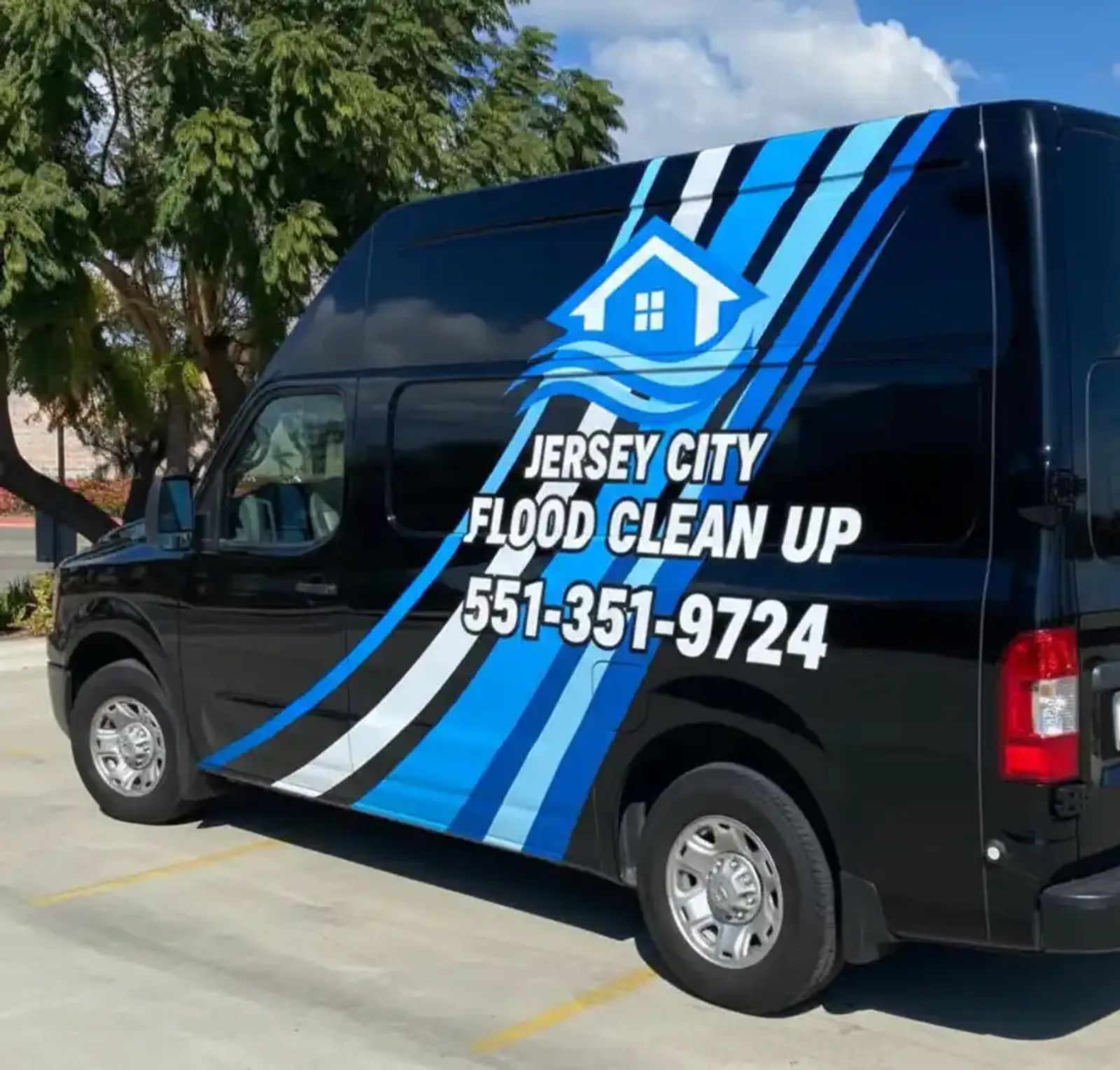
After a Jersey City blaze the structure faces three threats at once — char, smoke residue, and the water used to extinguish it. Our technicians chase the smoke path through the building, deodorize beyond the visible damage, and restore air handling that carried residue. Plaster-and-lath walls common in Jersey City hold smoke differently than drywall, changing how we clean and deodorize them. We record what was cleaned, what was removed, and what was dried so the carrier sees the complete loss. Call 551-351-9724 day or night and our Jersey City fire crew responds.
- Soot + smoke odor removal
- HVAC decontamination
- Pack-out + content cleaning
- Hydroxyl odor treatment
- Structural rebuild
- Insurance-scope documentation
Why A Small Fire Is Not A Small Loss
A fire leaves two problems running at once: what the flames burned and what the hoses soaked. Residue settles in wall cavities, ductwork, and the spaces behind trim, so cleaning only the visible surfaces leaves the smell to return.
Our crew secures the structure, pulls the water the fire crew left, and cleans soot from the surfaces it actually reached — not just the obvious ones. Salvageable contents are inventoried, packed out, and cleaned off-site while the structure is restored, then returned once it is ready.
What Real Deodorization Takes
Masking buys a few days; the smoke molecules in porous materials outlast any scent that covers them. We remove the source residue first, then use thermal fogging or hydroxyl treatment to neutralize what is bonded into porous materials.
Where the ducts can be cleaned to standard, we clean them; where they cannot, we say so in writing. A properly deodorized property passes the test that matters: it still smells neutral weeks after we leave.
One crew for the whole job
A property loss in Jersey City rarely stays in one lane — fire damage restoration often overlaps with structural drying, storm damage restoration, mold remediation, sewage cleanup, reconstruction, and our crew handles all of it under one contract. We dispatch the same standard to Fire Damage Restoration in Hoboken, Fire Damage Restoration in Bayonne, Union City fire damage restoration, North Bergen fire damage restoration and everywhere else across Hudson County.
If you searched for water damage restoration near me, you have reached a local team — call 551-351-9724 any hour. For background, read Burst Pipes in Jersey City's Brownstones: Where They Fail and How to Respond on our blog, or head back to our Jersey City home page to see everything we do.